
Top Signs Your Dryer Vent Is Clogged at Home
- 1 day ago
- 6 min read
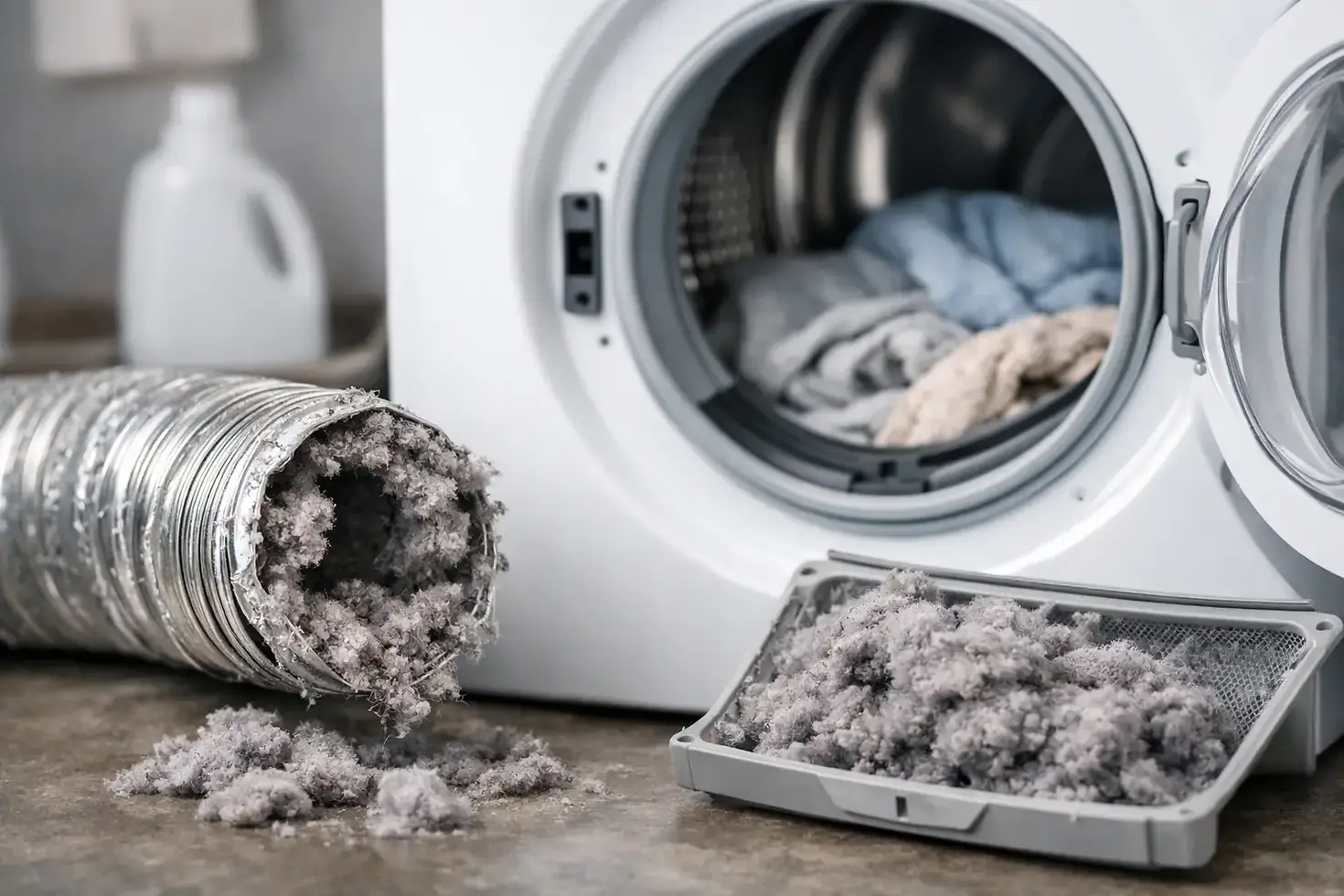
A dryer that suddenly needs two or three cycles to finish a normal load is not just wasting time. It may be sending you one of the top signs your dryer vent is clogged. When lint, dust, pet hair, and debris restrict the vent path, hot moist air has nowhere to go. That can affect drying performance, raise energy use, put added strain on the appliance, and create a preventable fire concern.
For homeowners, renters, property managers, and business owners, the warning signs are often easy to miss because they build gradually. Knowing what to watch for helps you address a vent issue before it turns into an expensive repair, a disrupted laundry routine, or a safety problem.
Top Signs Your Dryer Vent Is Clogged
Clothes take longer than one cycle to dry
This is usually the first symptom people notice. Towels, bedding, jeans, and other heavy fabrics naturally take longer than lightweight shirts, but they should not need repeated cycles when the dryer is functioning normally. If a load that once dried in 45 minutes now takes 90 minutes or more, restricted airflow is a likely cause.
A lint-packed vent prevents moisture from leaving the dryer efficiently. The machine keeps producing heat, but that humid air remains trapped in the drum and exhaust system. Before assuming the dryer itself has failed, check the lint screen and consider the condition of the full vent line, especially if the problem has worsened over time.
The dryer or laundry room feels unusually hot
A working dryer produces heat, but the top, sides, and surrounding laundry area should not feel excessively hot after a normal cycle. If the machine is hot to the touch, the room feels stuffy, or you notice heavy humidity near the laundry area, air may be backing up instead of exhausting outdoors.
This deserves prompt attention. Excess heat can force internal dryer components to work harder and may cause the appliance to shut off mid-cycle. In a closet laundry setup, a condo, or a multi-unit property with limited ventilation, the issue can become noticeable faster because heat has less room to disperse.
You smell something burning or musty
A burning smell is never a sign to ignore. Lint is highly flammable, and lint buildup near hot dryer components can produce a burning odor. Turn off the dryer, stop using it, and have the appliance and vent system inspected before running another load.
A musty smell can point to a different airflow problem. When damp air cannot exit the vent, moisture may linger in clothing or within the exhaust path. The odor may be especially noticeable in towels, athletic wear, or loads that sit in the dryer after the cycle ends. While mustiness does not automatically mean a blockage, it is a reason to investigate the vent and the dryer’s moisture-removal performance.
The exterior vent flap barely opens
When the dryer runs, go outside and check the exterior vent cover if it is safely accessible. You should see or feel a steady flow of warm air, and the flap should open freely. Weak airflow, a flap that does not move, or lint collecting around the cover can indicate a restriction in the duct.
Do not mistake an open flap for proof that everything is clear. Some airflow may still escape through a partially blocked vent, particularly during a short cycle. But weak exhaust compared with past performance is a useful warning sign. Bird nests, landscaping debris, damaged screens, and crushed ducting can also limit the outlet.
Lint appears around the dryer, vent opening, or outside wall
The lint screen captures a large portion of lint, not all of it. When lint starts collecting behind the dryer, around the transition hose, or at the outdoor vent hood, it may be escaping from a loose connection or accumulating where airflow has slowed down.
Move the dryer only if you can do so safely without stressing the gas line, electrical connection, or duct. A disconnected or kinked transition hose can be as problematic as a lint-filled vent. Flexible foil or plastic-style ducts are more likely to sag, tear, or trap lint than properly installed rigid metal ducting, so their condition matters as much as visible debris.
The dryer stops before the load is dry
Many modern dryers have thermal protection that can shut the unit down when temperatures rise too high. If the dryer ends a cycle early, pauses unexpectedly, or seems to overheat and then work again after cooling down, restricted venting is one possible cause.
There are other explanations, including a failing heating element, sensor issue, electrical problem, or overloaded drum. That is why a professional assessment is valuable. The goal is not simply to clear lint but to identify whether the airflow path, appliance connection, exterior termination, or dryer itself is creating the problem.
Your lint screen is clean, but drying is still poor
Cleaning the lint screen after every load is one of the best habits a household can have. It does not, however, clean the vent behind the dryer or the longer duct run leading outside. Fine lint can pass through the screen and collect in bends, low spots, and joints over time.
Fabric softener sheets and residue from certain laundry products can also coat the lint screen. Even if the screen looks clean, a film can reduce airflow through it. Wash the screen occasionally with warm water and mild soap, let it dry completely, and then reassess performance. If drying remains slow, the larger vent system needs attention.
You cannot remember the last vent cleaning
Time is not the only factor, but maintenance history matters. A small household with a short, straight vent may need service less often than a busy family doing daily laundry. Pet owners, homes with long or curved vent routes, and properties with shared or high-use laundry facilities often accumulate lint more quickly.
For many homes, an annual professional dryer vent cleaning is a practical baseline. The right schedule depends on laundry volume, the length and layout of the duct, and whether prior inspections found heavy buildup. Property managers may also benefit from a scheduled maintenance plan rather than waiting for tenants to report slow drying or overheating.
Why a Clogged Dryer Vent Is More Than an Inconvenience
A restricted vent makes each load work harder than it should. Longer cycles use more electricity or gas, wear clothing through repeated heat exposure, and add strain to the dryer’s motor and heating components. Over time, that can shorten appliance life and increase operating costs.
The more serious concern is fire risk. Lint and heat are a hazardous combination, particularly when airflow is poor. Although a clogged vent does not guarantee a fire, it creates conditions that should be corrected quickly. If you smell burning, see smoke, or suspect an active overheating issue, stop using the dryer and seek qualified help immediately.
Moisture is another concern in humid or enclosed laundry spaces. Poor exhaust can leave the room damp and uncomfortable, and recurring humidity may contribute to odors or surface moisture around nearby walls and cabinetry. In Southern California homes, laundry rooms often sit in garages, closets, or compact utility areas where a hidden vent problem can go unnoticed for too long.
What You Can Safely Check Before Scheduling Service
Start with the simple steps: clean the lint screen, confirm the dryer is not overloaded, and inspect the visible transition duct for crushing or disconnection. Then run a short cycle and check for airflow at the exterior vent cover. Keep hands clear of moving parts and do not operate a dryer with a visibly damaged or disconnected vent.
Avoid forcing tools deep into the duct from indoors. Improper cleaning can compact lint farther into the line, damage flexible ductwork, or disconnect hidden sections. It is also not enough to vacuum the area behind the dryer if the main vent run remains obstructed.
A professional cleaning should address the complete pathway from the dryer connection to the exterior exit, while checking for buildup, restrictions, poor connections, and airflow concerns. For homes and properties in the Coachella Valley and Los Angeles County, Pristine Steam provides dryer vent cleaning designed to remove hidden lint buildup and help restore efficient exhaust performance.
Do Not Wait for a Complete Blockage
The best time to address dryer vent trouble is when the warning signs first appear, not when the dryer quits on laundry day. A faster-drying load, a cooler laundry room, and clear exterior airflow are practical signs that your system is doing its job. If your dryer has been working harder lately, scheduling an inspection now can protect your appliance, your energy budget, and the people who rely on your property.


Comments